



Why Old Photographs Matter in Genealogy
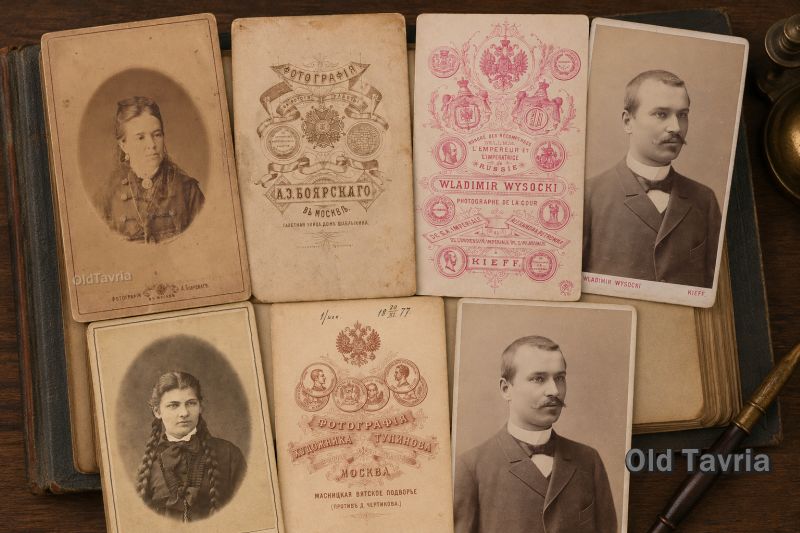
For many people, building a family tree starts with only a surname, a few stories from grandparents, and several faded photographs hidden in family albums. However, old photographs often contain much more information than people initially realize. Studio stamps, handwritten notes, military uniforms, signatures, and even the style of clothing can become valuable clues for genealogical research.
This is especially important for families whose roots were connected to the territories of the former Russian Empire, Austro-Hungarian Empire, Poland, Ukraine, Belarus, or the early Soviet Union. Many official archives were lost during wars and political upheavals, but photographs survived in private collections and historical forums. That is why many researchers involved in family search projects now pay close attention not only to official documents, but also to historical photo archives and collector communities.
Old Tavria is one of the forums where such materials are actively preserved and cataloged. The platform contains hundreds of pre-revolutionary cabinet portraits, imperial era studio photographs, military portraits, and early Soviet images with names, ranks, handwritten dedications, and family surnames.
How Surname Searches Help Reconstruct Family History
Searching by surname remains one of the most effective starting points in genealogy. Even a single rare surname written on the back of an old photograph can open an unexpected path into the past.
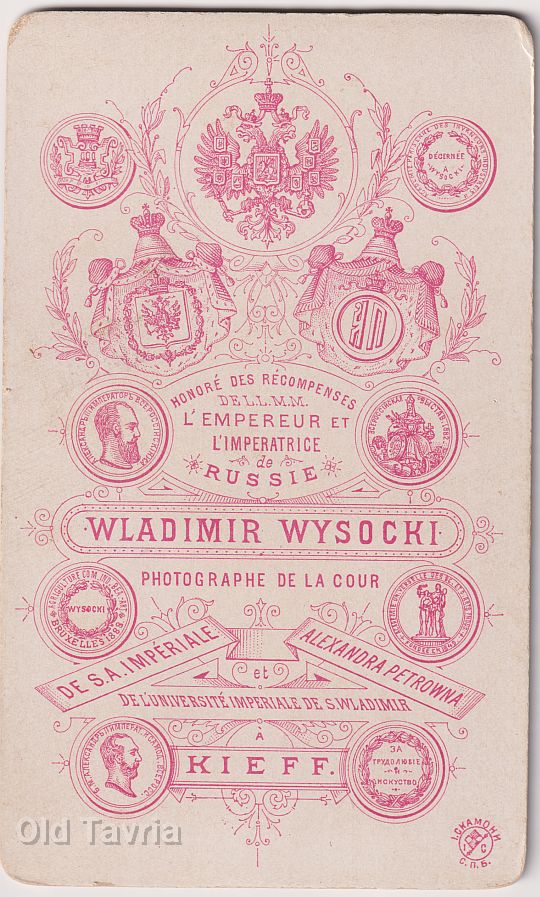
Historical photo forums are especially useful because many portraits were signed directly by the owners. People often wrote full names, military positions, hometowns, or dates before sending photographs to relatives and friends.
For example, an early twentieth century imperial cabinet portrait may contain:
- a family surname;
- the city where the photo studio operated;
- military rank or occupation;
- the year or approximate period;
- personal inscriptions or greetings.
Such details help researchers compare family information with census data, church archives, military documents, and immigration records.
Why Military Photographs Are Important
One of the most valuable categories for genealogists is military photography. On Old Tavria there are many portraits of soldiers and officers from the late imperial period and the early Soviet era.
Military photographs often contain especially detailed information because uniforms, insignia, medals, and shoulder boards can be identified by historians and collectors. In some cases, even the exact regiment or military institution can be determined.
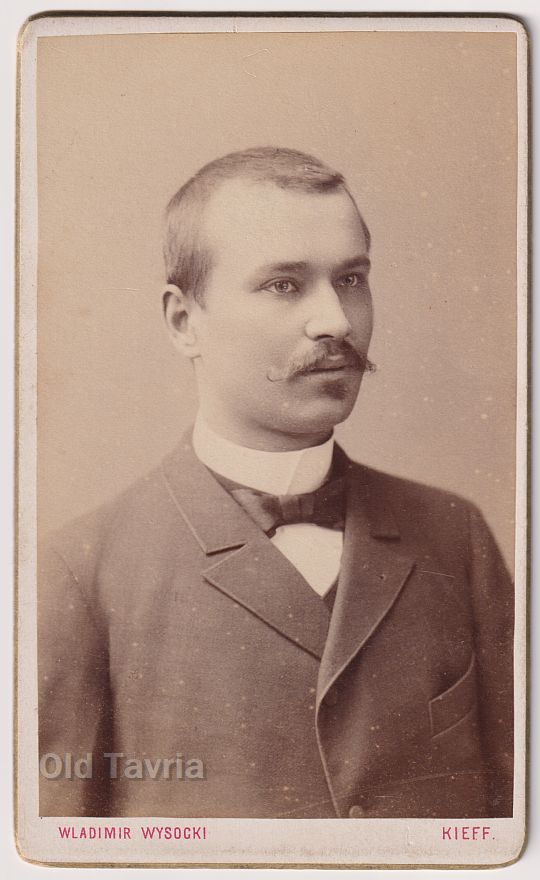
This becomes extremely useful for people trying to expand a family tree connected to Eastern Europe, the Russian Empire, or the Soviet Union.
Many descendants of emigrants from Ukraine, Poland, Belarus, Lithuania, and the Baltic region use historical military photographs to reconnect fragmented family histories that were interrupted by revolutions, deportations, or World War II.
| Historical Material | Genealogical Value |
|---|---|
| Studio portraits | Family names and locations |
| Military photographs | Ranks, regiments, service history |
| Handwritten dedications | Family relationships |
| Photo studio stamps | Geographic tracing |
| Early Soviet portraits | Occupational and social history |
Why Forums and Collector Communities Matter
Traditional genealogy websites mainly focus on official records. However, historical forums provide something different: visual evidence and community expertise.
Collectors and historians often recognize uniforms, imperial institutions, school badges, or regional photography studios much faster than automated genealogy databases can.
This collaborative environment becomes especially important when researching Eastern European ancestry, where archives may be incomplete or fragmented due to wars, border changes, and political repression.
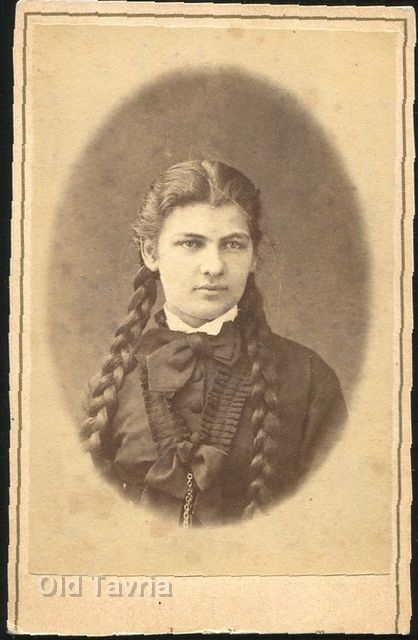
On forums like Old Tavria, researchers can upload unidentified photographs, ask questions about surnames, compare portraits, and receive help from specialists familiar with imperial and Soviet history.
The Emotional Side of Genealogy
Genealogical research is not only about dates and documents. For many families, it becomes an emotional attempt to reconnect with lost generations.
Finding a surname on a century old portrait can completely change a person’s understanding of their family history. Sometimes descendants discover forgotten military service, noble origins, migration routes, or family branches that disappeared during historical catastrophes.
Photographs create a direct visual connection with ancestors. Unlike official documents, portraits preserve faces, expressions, clothing, and personal identity.
This is one of the reasons why old photographs remain such a powerful tool for modern genealogy.
Why Interest in Family History Continues to Grow
Interest in ancestry research has increased dramatically in recent years. DNA testing, online archives, and digital communities made genealogy far more accessible than it was twenty years ago.
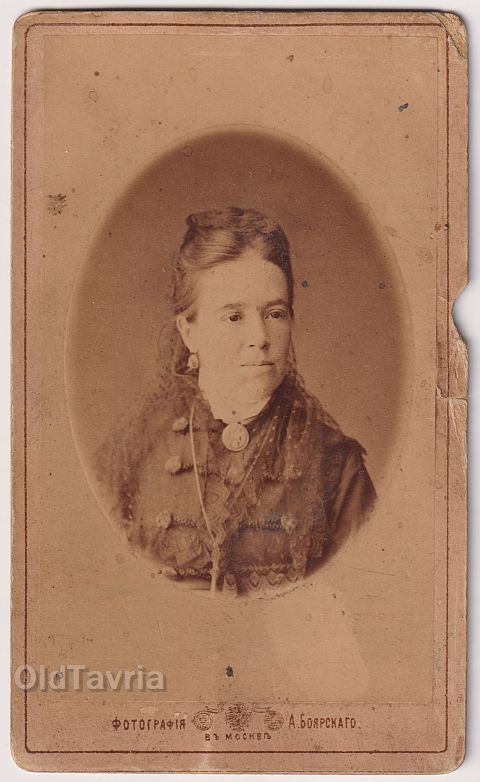
At the same time, many people discovered that official databases alone are not enough to reconstruct a complete family story. Historical forums, collector archives, and old photographs often provide the missing human details behind names and dates.
For descendants of families from Eastern Europe, imperial territories, and the early Soviet period, platforms like Old Tavria become valuable supplementary sources where forgotten surnames and personal histories continue to reappear through preserved photographs and archival materials.
In many cases, a single signed portrait can become the first real step toward rebuilding an entire family history that seemed permanently lost.
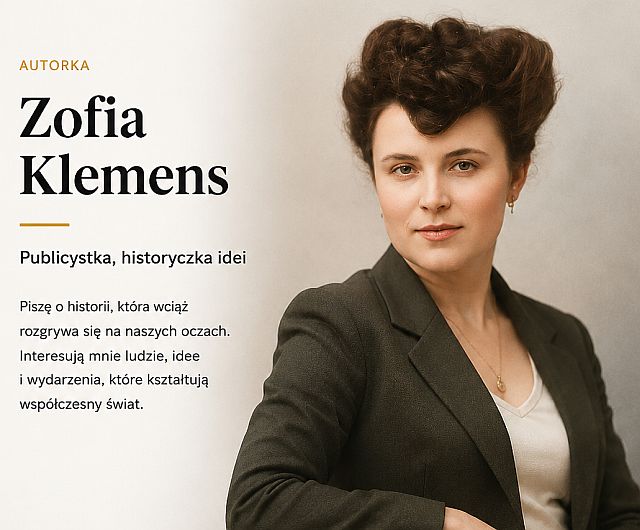
Polska publicystka i autorka tekstów społeczno-historycznych. Pisze o pamięci historycznej, Europie Wschodniej, kulturze oraz przemianach społecznych we współczesnej Europie.